 Македонски
 English
 Shqip

How the sun’s rays damage the skin

It is the smallest part of the solar spectrum (UV spectrum) that is biologically most active and most responsible for acute and chronic skin damage.
UVA rays penetrate deeper into the skin, damaging its middle part (dermis). They are responsible for pigmentation and premature aging of the skin.
UVB rays are absorbed in the uppermost layer of the skin (epidermis) and are responsible for the acute response of the skin in the form of redness and burns during excessive sun exposure, leading to degeneration and aging of the skin.
UVA and UVB rays are one of the reasons for the increased risk of skin cancers.
UVC rays absorb the ozone layer and they do not reach the Earth's surface.
The Earth's air cover stops more than 95% of UV rays, and therefore the issue around "ozone holes" and air pollution does not lose its relevance.
Products from this article

Health & immunity · 50 mg
Ozone Factor capsules with ozonated olive oil – 50 mg ozone

Read next
 Health & immunity14.03.2023
A strong immune system against spring allergies
If you suffer from spring allergies, probably although this time of year is one of the most beautiful, is not your favorite? Due to seasonal allergies you can…
3 min read
 Hair care20.06.2025
Why is ozone shampoo the star of our range?
Healthy hair is half the secret to looking good. That’s no myth, as any woman will tell you. When we wake up with healthy, shiny, flowing hair, our day feels…
2 min read
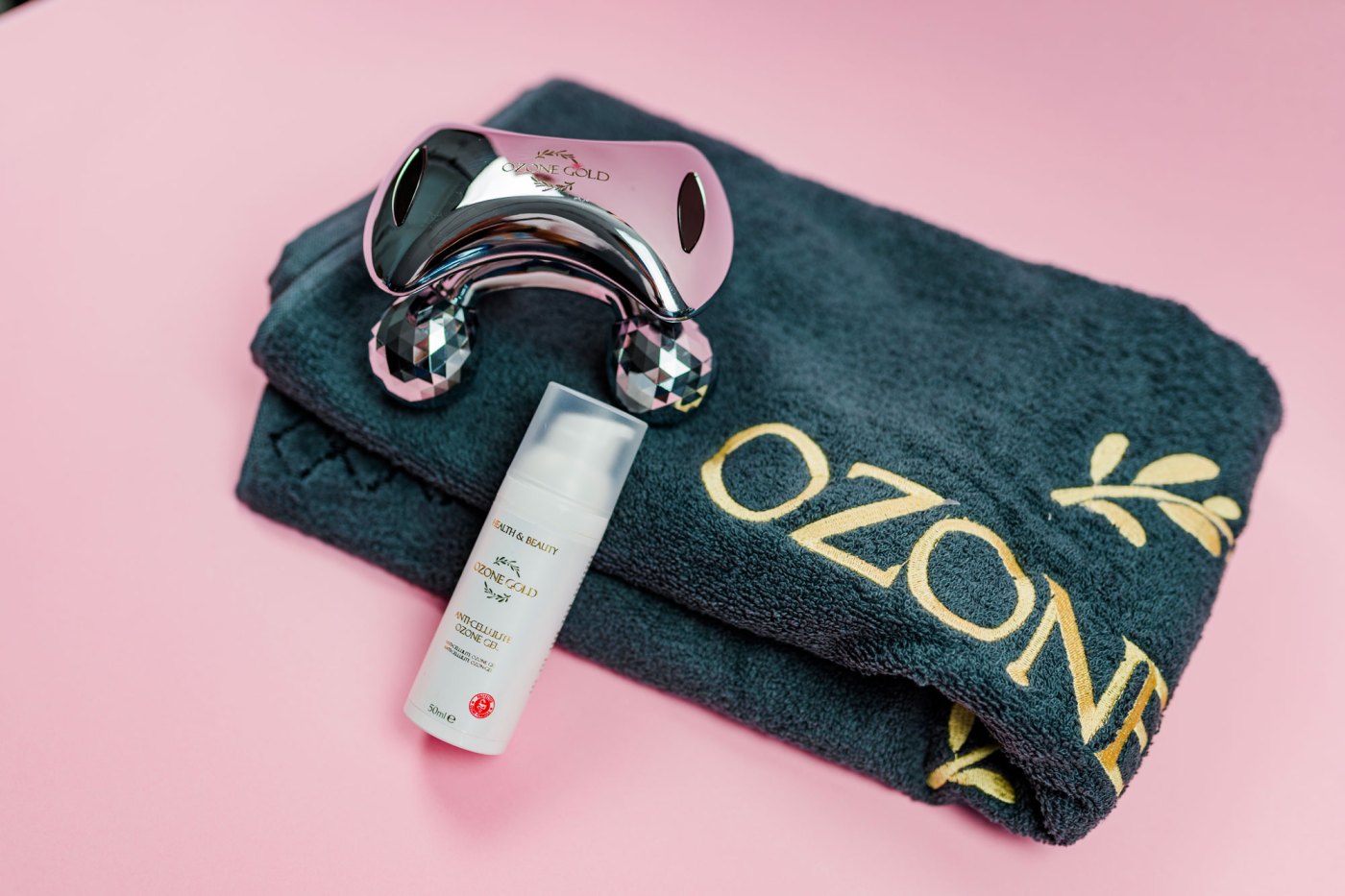 Specific care03.06.2025
An ozone revolution in skincare: A natural solution for cellulite
Cellulite is one of the most common aesthetic problems faced by women around the world. Regardless of age or body weight, this phenomenon is not only a matter…
2 min read